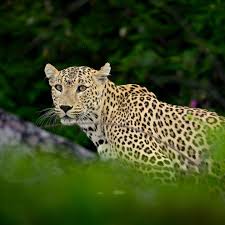
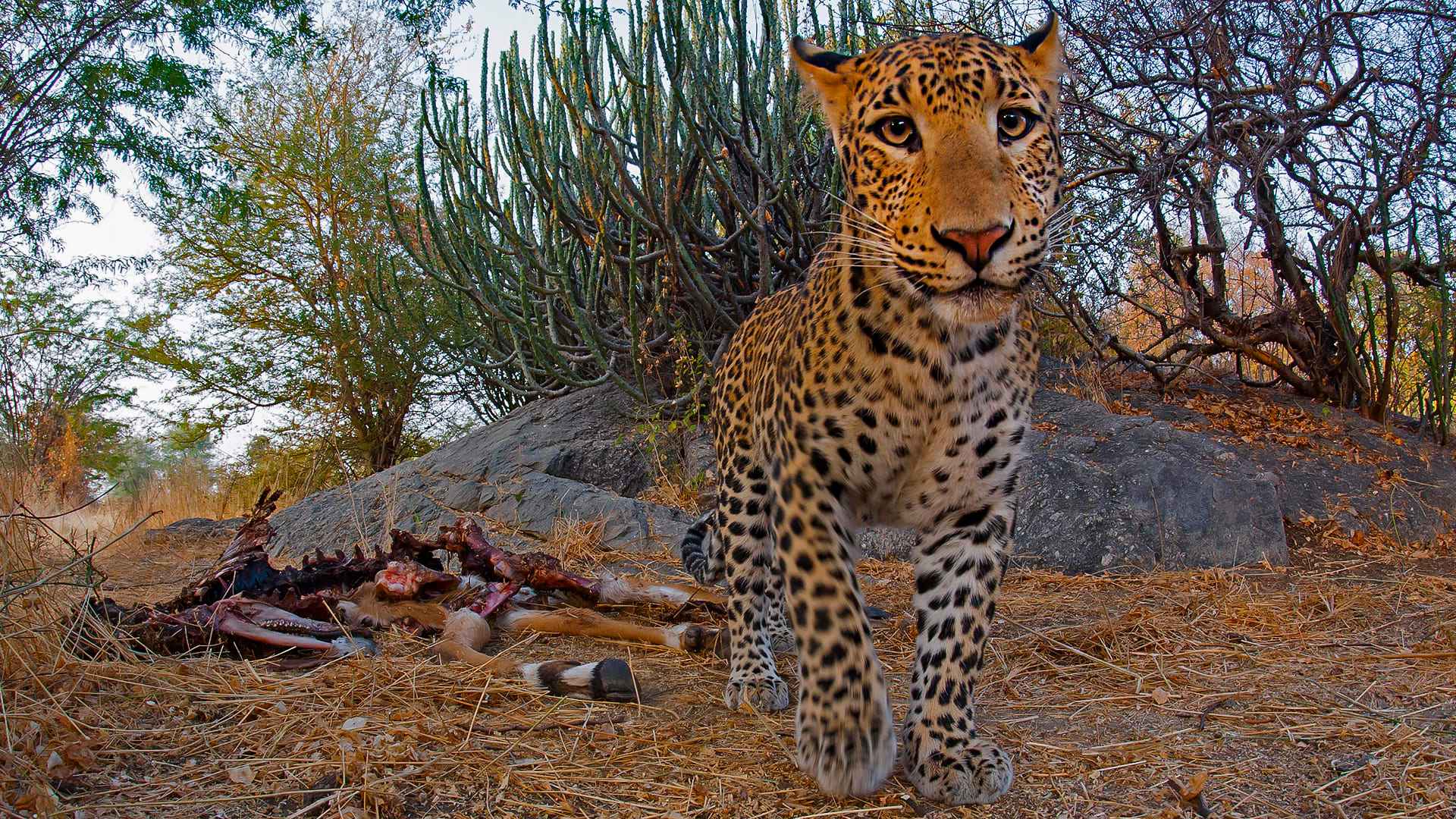
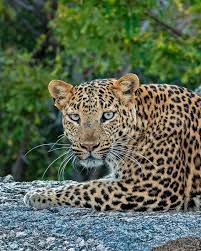
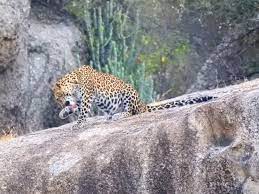
Nestled amidst the granite hills of Pali, Rajasthan, Jawai Leopard Park is where nature and culture meet in perfect harmony. Here, the majestic leopards live freely among the Rabari tribes who have coexisted with these wild cats for generations.
The calm waters of the Jawai Dam, built in the 1950s, created a rich ecosystem that supports hundreds of bird species, crocodiles, and other wildlife. Jawai is now one of India’s most unique destinations for eco-tourism and wildlife photography.
The Flora of Jawai Leopard Reserve reflects the true character of Rajasthan’s semi-arid ecosystem, where hardy plant life thrives among dramatic granite hills and open scrublands. The reserve is dominated by drought-resistant trees such as Dhonk (Anogeissus pendula), Ber (Ziziphus mauritiana), Khejri (Prosopis cineraria), Babool (Acacia nilotica), and Kumatiya (Acacia senegal), all of which play a crucial ecological role by providing shade, shelter, and food for herbivores like nilgai and chinkara.
Interspersed between the boulders and rocky cliffs, dense patches of thorny shrubs, acacia thickets, and wild grasses create natural hiding spots for leopards and other carnivores, enhancing their ability to blend into the landscape. During the monsoon season, the Jawai region briefly transforms as fresh grasses, medicinal herbs, and seasonal wildflowers sprout across the terrain, offering nourishment to grazing animals.
Close to the Jawai Bandh reservoir, the vegetation shifts to a riparian zone, where reeds, bulrushes, and water-loving plants flourish, attracting hundreds of migratory birds and supporting a rich aquatic ecosystem. This beautiful blend of desert scrub, rocky vegetation, and wetland flora makes Jawai a biologically diverse habitat, perfectly adapted to its dry climate while supporting a vibrant network of wildlife species.
The Fauna of Jawai Leopard Reserve is remarkably diverse and uniquely adapted to its rugged granite hills, open scrublands, and the expansive Jawai Bandh waterbody. The star attraction of the region is the Indian Leopard, which thrives here in unusually high density due to the abundance of natural caves and the peaceful coexistence with the Rabari community.
Alongside leopards, Jawai is home to other important predators such as Striped Hyenas, Indian Wolves, Jungle Cats, and Golden Jackals, all of which use the rocky terrain and scrub cover for shelter and hunting. Herbivores like Nilgai (Blue Bull), Chinkara (Indian Gazelle), Sambar Deer, Wild Boar, and Hares form the primary prey base for the carnivores.
The Jawai Bandh reservoir supports a thriving population of Mugger Crocodiles, often seen basking along the banks. This waterbody also attracts a spectacular variety of resident and migratory birds including Flamingos, Pelicans, Bar-headed Geese, Ruddy Shelducks, Painted Storks, Spoonbills, Ospreys, Sarus Cranes, and numerous species of raptors, waders, and songbirds, making Jawai a paradise for birdwatchers.
Reptiles such as Monitor Lizards, Indian Cobras, Kraits, Rat Snakes, and several lizard species add further richness to the ecosystem. Together, this diverse fauna—spread across rocky hills, grasslands, and wetlands—creates a balanced and ecologically significant wildlife landscape that makes Jawai Leopard Reserve one of India’s most extraordinary natural habitats.
Our goal is to promote sustainable wildlife tourism that benefits both nature and the local communities. Every safari, stay, and visit helps protect Jawai’s leopards and supports the people who call this land home.
We focus on minimal-impact safaris that respect the environment and wildlife habitats.
Our efforts are dedicated to preserving leopards and promoting awareness about their natural behavior.
We work closely with local tribes, creating jobs and preserving their cultural traditions.